Chainflip lost $12M: the contract did what it was told
The vault does not ask who you are. It asks whether the signature is there. A breakdown of the Chainflip exploit and what it means for traders.

아직 사용자의 언어로 번역되지 않았어요. 원문을 보여 드려요.
다른 언어: Русский

The contract did what it was written to do. It was shown a signature, and it released the money. According to analysts, the signature was valid. That is the whole story of Chainflip.
On November 21, the cross-chain exchange Chainflip paused everything. At first the number was $4.86 million drained from its Ethereum vault. Then the protocol confirmed that about $12 million had gone from its vaults in total: 122.86 BTC, 520.22 ETH, 3.25 million USDC and 758,141 USDT (per CoinMarketCap). The Block reports that some of the stolen funds went into Tornado Cash almost right away.
What actually happened
When people write about hacks, they usually mean code: a bug in a smart contract, a logic error, a check nobody wrote. Here, according to analysts at Defimon, it looks different. The attacker apparently did not find a hole in the contract. They got hold of the signing key that the protocol uses to approve withdrawals from its vaults. The contract checked the signature, the signature matched, and the Ethereum vault was empty in a few minutes. The protocol has not yet explained how the attacker got the key.
The mechanism is simple and unpleasant. A vault does not ask who you are. It asks whether the withdrawal carries a signature from the shared key. That key is created jointly by the validators, and a signature needs a threshold of their participation. So the safety of the money depends on how well that key is protected and who can reach it. The contract is not really the weak point here. It did exactly what it was allowed to do.
According to CoinMarketCap, the preparation took more than a week. Tornado Cash funding arrived on November 11, and a validator account was registered on November 20. That fact alone does not show who is behind the attack, and no link to the key has been established. But it is hard to call this a random accident.
What it means for you
You probably don't keep your coins in a cross-chain protocol. But the question is the same for any place where your money sits: who can sign a withdrawal, and what happens if that key leaks?
The pause is a risk too. Chainflip put the protocol into full safe mode: deposits, withdrawals, swaps and quotes are all disabled. Liquidity providers cannot pull their funds either. So the money is locked for everyone at once, including the people who supplied the liquidity. You find out how the pause works at the moment you need the money.
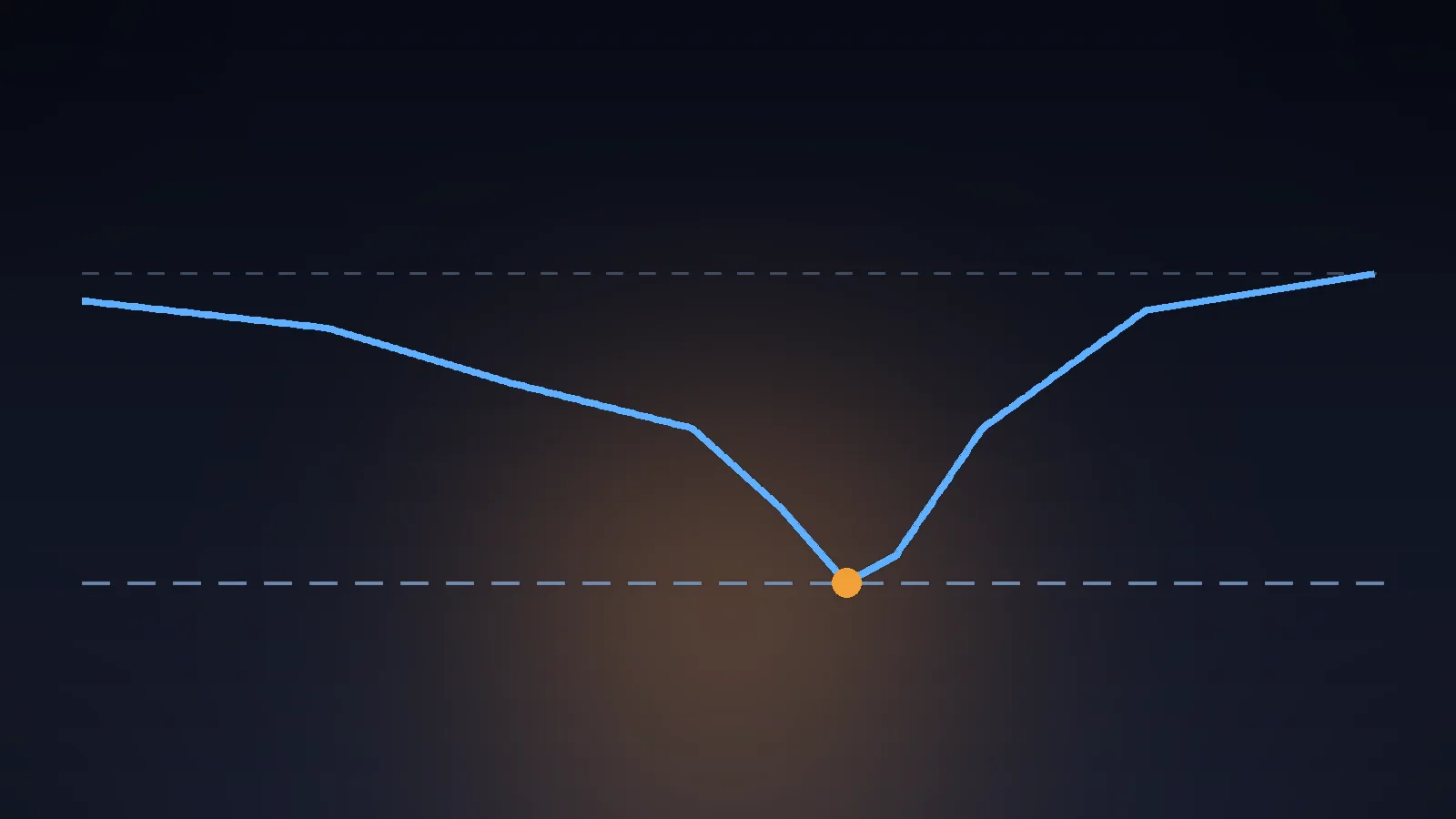
FLIP fell. CoinDesk recorded a drop of about 30%, and CoinMarketCap put it at about 47% over 24 hours. The numbers differ, but the direction is the same: a problem in one vault hit the whole system at once.
Chainflip offered a 10% bounty, roughly $1.2 million, to anyone who returns the rest by 6:38 pm UTC on November 23, according to CoinMarketCap. Whether the money comes back is still unknown.
Daily market data on X: @tarvis_trade