Billion-dollar liquidations are becoming routine for bitcoin
Bitcoin fell below $70,000 and about $1.3 billion was wiped out in a day. Why these nights keep coming, and how to measure your own risk.

Also in: Русский
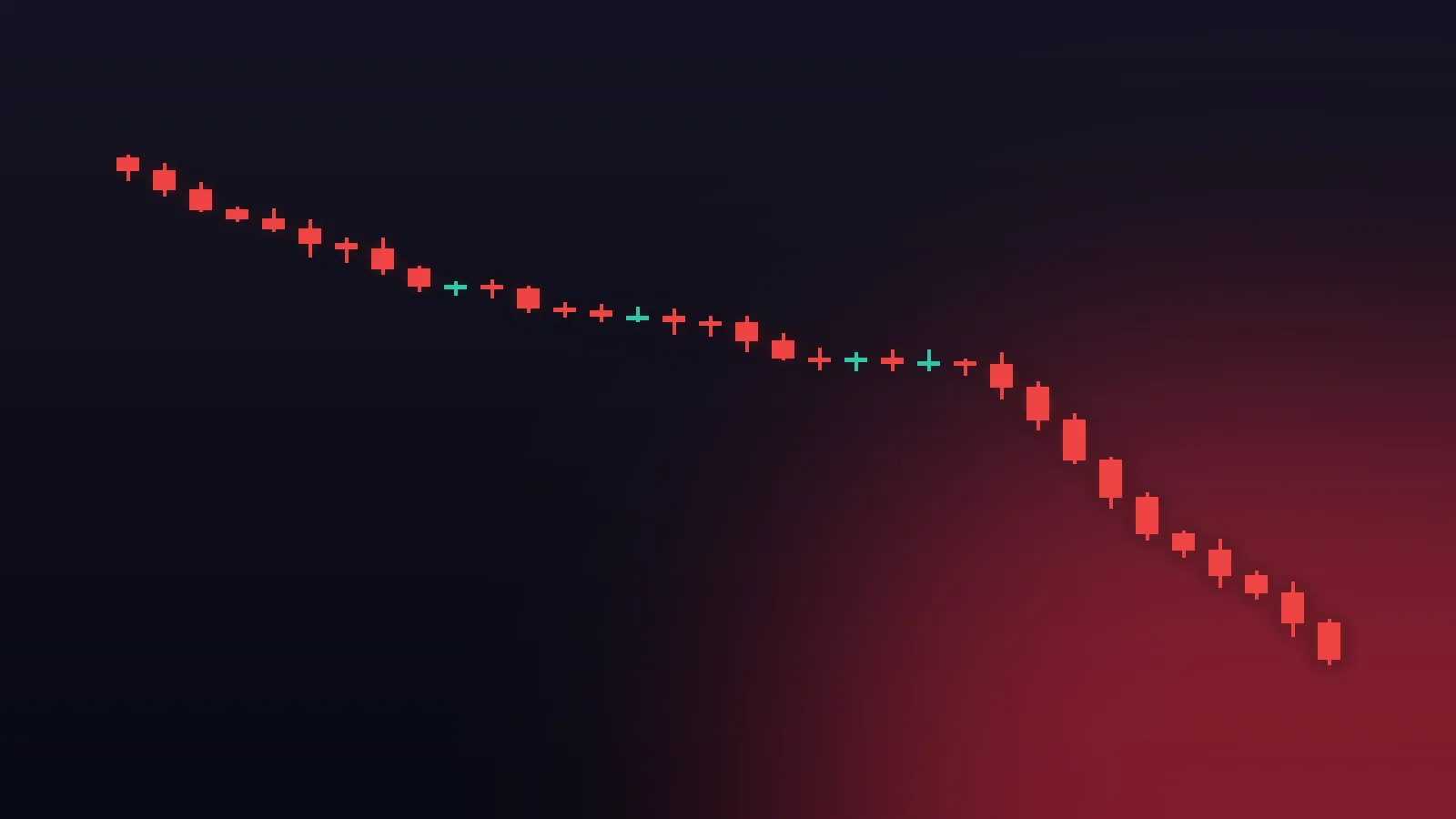
Bitcoin dropped below $70,000 for the first time since August. On Friday it briefly touched $67,600, and in 24 hours about $1.3 billion was wiped out of the market. Most of it was longs: bets on higher prices, made with leverage.
Nothing about this is unusual, and that is the real problem. According to Coinglass data, as relayed by Bloomberg (read), bitcoin liquidations topped $500 million on 13 separate days over the past year, and three of those days went past $1 billion. Nights like this have stopped being events. They are background noise.
What actually happens to your position
A liquidation is not a "loss on a drop." The exchange closes your position once the margin behind the leverage runs out. The higher the leverage, the smaller the move against you needed to get there: roughly 9–10% at 10x, around 18–20% at 5x. That is why a few-percent drop doesn't take out one unlucky trader. It takes out thousands of positions at once. CoinOtag reports 163,631 traders liquidated in the last session, up from 112,947 the day before.
Then a mechanism kicks in that is easy to underrate. Closing a long means selling. The selling pushes the price down, the lower price hits the next leveraged positions, and the chain feeds itself. No headline is needed for this. A market that starts moving against a crowd of leveraged buyers is enough.
Why it keeps happening
The backdrop is poor. ETFs are bleeding money. Bloomberg lists high oil prices and a possible Fed rate hike among the factors. One theory making the rounds is that speculative money is rotating into AI stocks, which look more attractive after their own selloff. But none of these factors alone explains why liquidations have become so regular.
What explains it is structure. When a market lets you open a large position against a small deposit, every sharp move will eventually shake out part of the longs. The question is not whether the next night like this will come. The question is what stands between your position and that night.
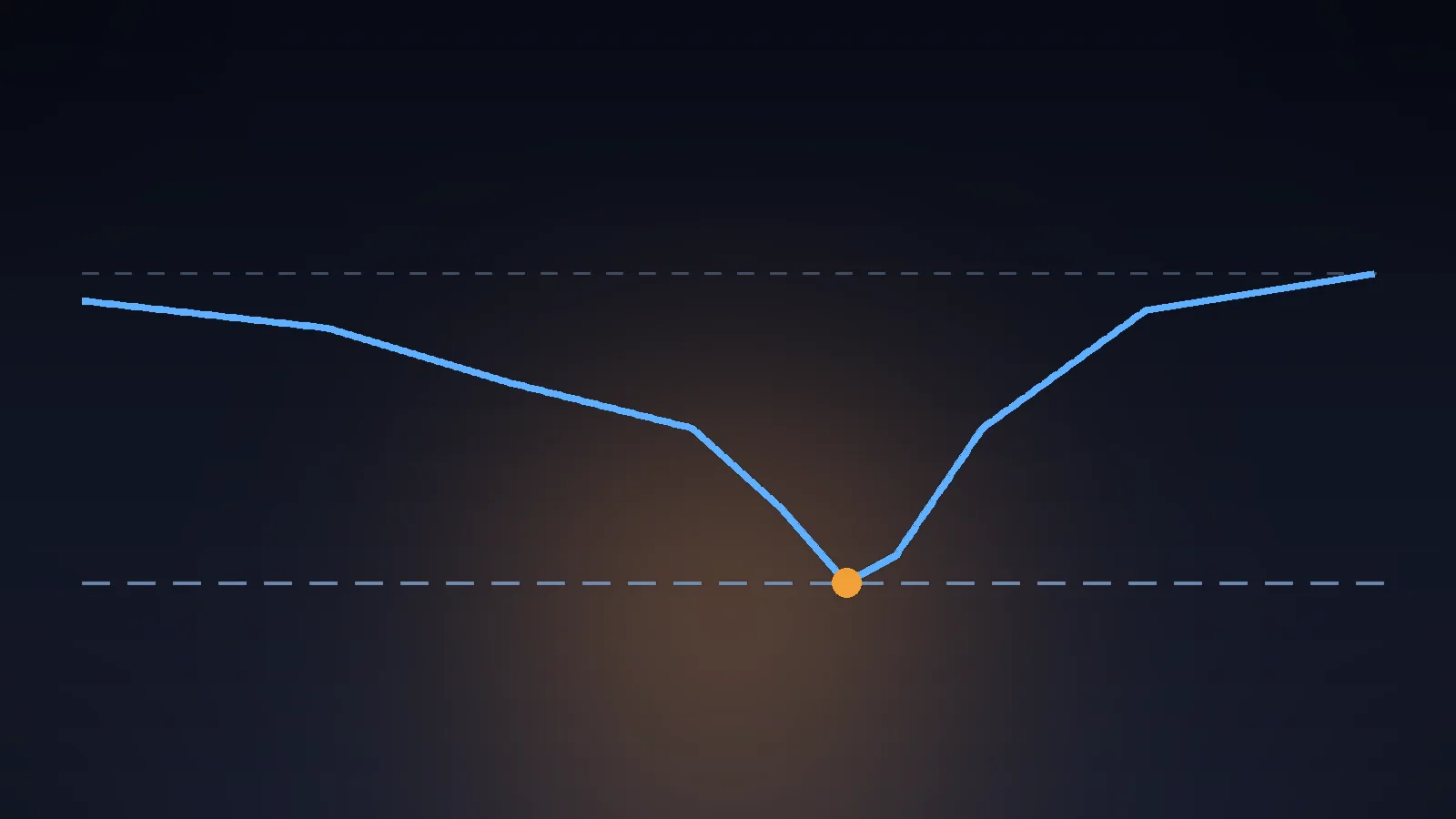
The level everyone is watching now is the 200-week average, near $67,900. CoinOtag reports bitcoin tested it. In past downturns that line often acted as a floor. But that describes the past, not a promise. If the floor breaks, the next wave of liquidations will follow the same rules.
What follows from this
No forecast here. Nobody can honestly give you one. There is a simpler question to ask before the market asks it for you: how much do I lose if bitcoin drops 10% in a day? If the answer is "the whole margin," the problem is not the market. It is your position size and your leverage.
Daily market data on X: @tarvis_trade